Top 10 Features Every School Van Should Have in 2025
Essential Features Every School Van Needs
School
transportation in Nepal is evolving rapidly as schools look for safer, cleaner,
and more cost-efficient vehicles. With growing awareness about sustainable
mobility, many institutions are now shifting toward electric school vans
because of their advanced safety features, quiet operation, and low running
cost.
Whether
you’re a school administrator, a fleet manager, or a parent, understanding the
essential features of a modern school van is crucial and especially in 2025, when EV vans are setting new benchmarks in safety and technology.
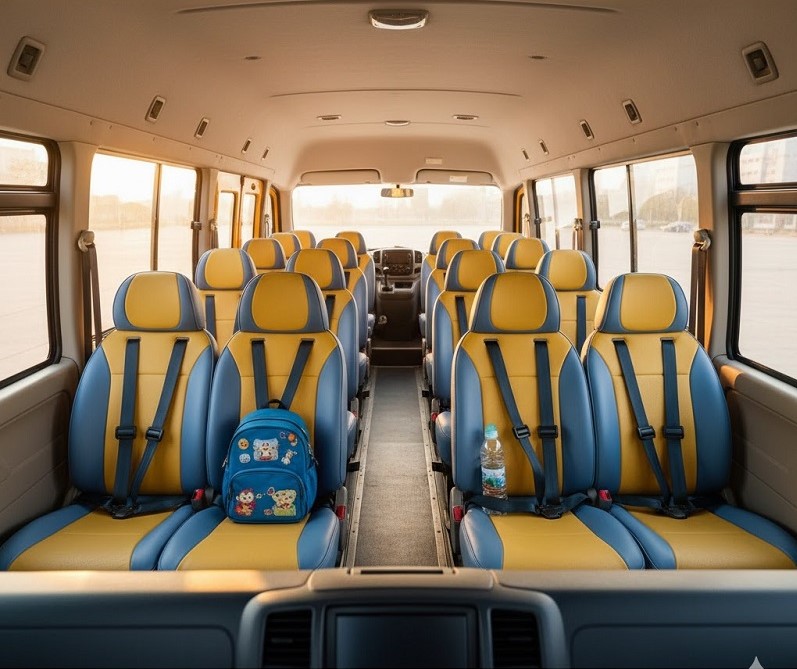
1. Advanced Safety Standards
Safety
is the first priority in school transport. Modern EV vans are equipped with:
- 3-point
seatbelts for every passenger
- Anti-lock
braking system (ABS)
- Reinforced
high-strength body frame
- Side
impact protection
- Child-safe
locking system
For
passenger transport models such as 14-seater EV vans, these standards
are non-negotiable.
2. Zero-Emission Electric Motor
Electric
vans are leading Nepal’s school transport sector. They offer:
- Zero tailpipe emissions
- No
engine noise (child-friendly)
- Highly
efficient electric motors
- Smoother
acceleration and lower vibration
This
ensures cleaner air and a healthier environment for children.
3. Long-Range Lithium Battery & Fast Charging
Range
anxiety is no longer an issue. Today’s EV vans provide:
- 150–300
km per full charge
- Lithium
Iron Phosphate (LFP) batteries
- Fast
charging compatibility
- Longer
battery lifespan
With
charging stations expanding across Nepal, schools can operate routes
confidently.
4. Child-Friendly Seating & Comfort
Comfort
directly impacts safety and well-being. A 2025-ready school van includes:
- Spacious
interiors with cushioned seating
- Large
windows for ventilation
- Anti-slip
flooring
- Smooth
suspension for rough roads
Silent
EV motors also reduce noise stress compared to diesel vans.
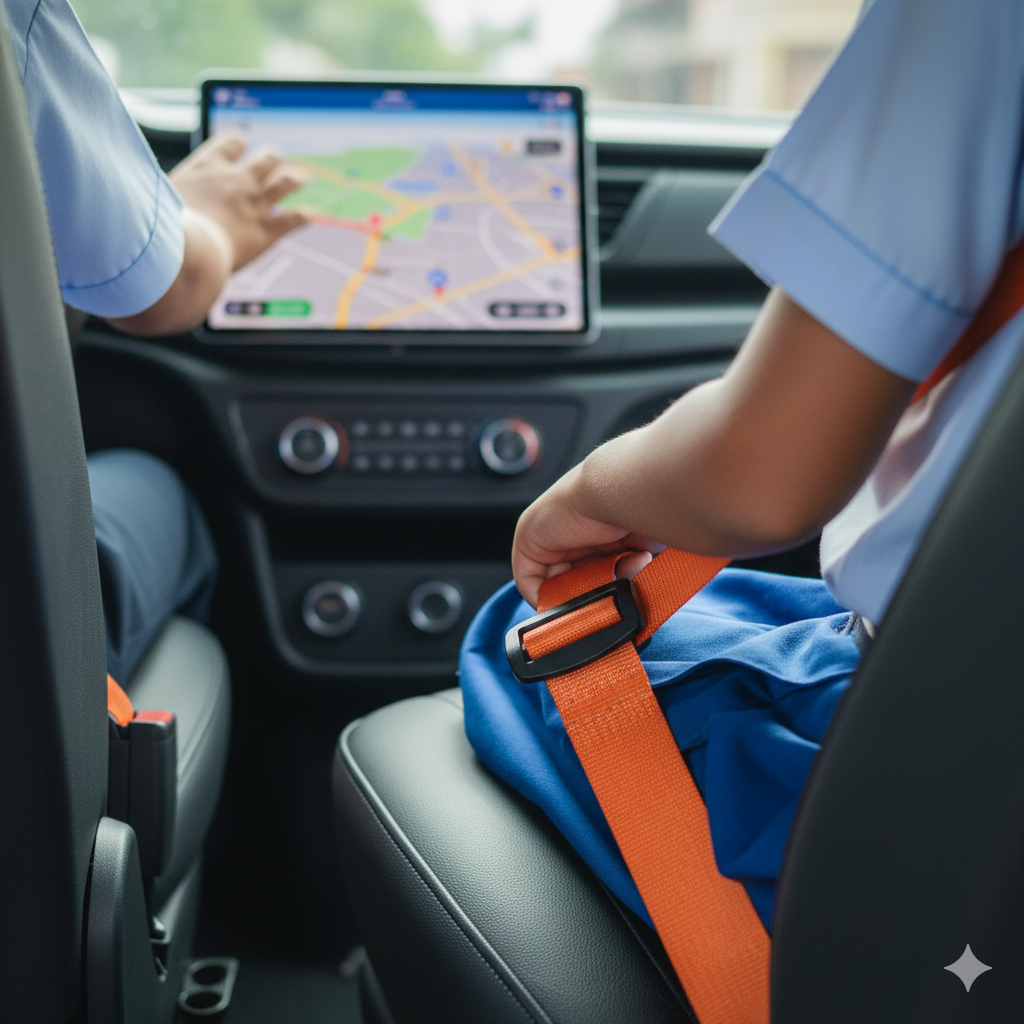
5. GPS Tracking & Real-Time Monitoring
Transparency
and accountability are vital. EV vans now feature:
- GPS
tracking and live route monitoring
- Speed
alerts and geo-fencing
- Automatic
logs for arrival and departure
Parents
and schools benefit from improved discipline and route efficiency.
6. CCTV Surveillance for ChildSafety
CCTV
systems enhance protection by:
- Monitoring
student activity
- Providing
evidence in case of incidents
- Ensuring
driver accountability
- Supporting
compliance with safety standards
7. Emergency Safety Equipment
Every
school van must carry:
- Emergency
exit door
- First-aid
kit
- Fire
extinguisher
- Side
emergency hammers
- Visible
escape windows
These
life-saving tools are essential for safe school transport.
8. Smart Digital Dashboard & Driver Assistance
EV
vans simplify driving with:
- Digital
speedometer and battery display
- Reverse
parking sensors
- Energy-efficient
drive modes
- Low-battery
alerts
Drivers
enjoy reduced fatigue and better control.
9. Strong Suspension & High Ground Clearance
Nepal’s
roads demand durability. EV vans are designed with:
- Heavy-duty
suspension
- High
ground clearance
- Strong
chassis and stable body control
Perfect
for both city routes and hilly terrain.
10. Low Operating Cost & High Savings
EV
vans reduce running costs by 30–50% compared to petrol vans thanks to:
- No fuel
costs
- Fewer
mechanical parts
- Minimal
maintenance
- Longer
service intervals
For
schools, EV vans are a smart long-term investment.
The Future of School Transport in Nepal Is Electric
From
safety and comfort to cost savings and sustainability, electric school vans
provide everything modern schools need. With evolving technology, low
running costs, and availability of EV vans for office and passenger transport,
they are the most reliable choice for educational institutions.
Looking to upgrade your school’s transportation fleet? Explore the latest range of electric school vans at Triveni MotoCorp — built for safety, comfort, and long-term savings.


Comments
Post a Comment